Have you ever wondered why you suddenly can’t sleep, feel anxious for no obvious reason, or no longer feel like yourself? Many women in perimenopause feel like they’re “going crazy.” The truth is, you’re not.
The years leading up to menopause are characterised by significant hormonal fluctuations that can affect everything from your sleep and mood to your energy, memory and resilience. Yet many women are told that hormone testing during perimenopause isn’t worthwhile because hormones fluctuate too much. But what if those fluctuations are actually the most important part of the story?
In this episode, you’ll discover:
- Why progesterone changes first during perimenopause
- The surprising connection between progesterone and cortisol
- How chronic stress affects hormone health
- Why hormone patterns matter more than one-off tests
- How at-home hormone monitoring could transform women’s healthcare
- Practical lifestyle strategies that support healthier hormone rhythms
If you’ve been searching for answers about sleep, stress, anxiety or hormonal changes in midlife, I hope this conversation helps you realise that there are answers—and there is hope.
A New Era in Hormone Testing
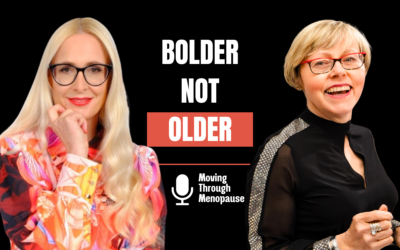
In the latest episode of Moving Through Menopause, I sat down with Dr Marina Pavlovic Rivas, Co-founder and CEO of Eli Health, to discuss a groundbreaking approach to hormone monitoring.
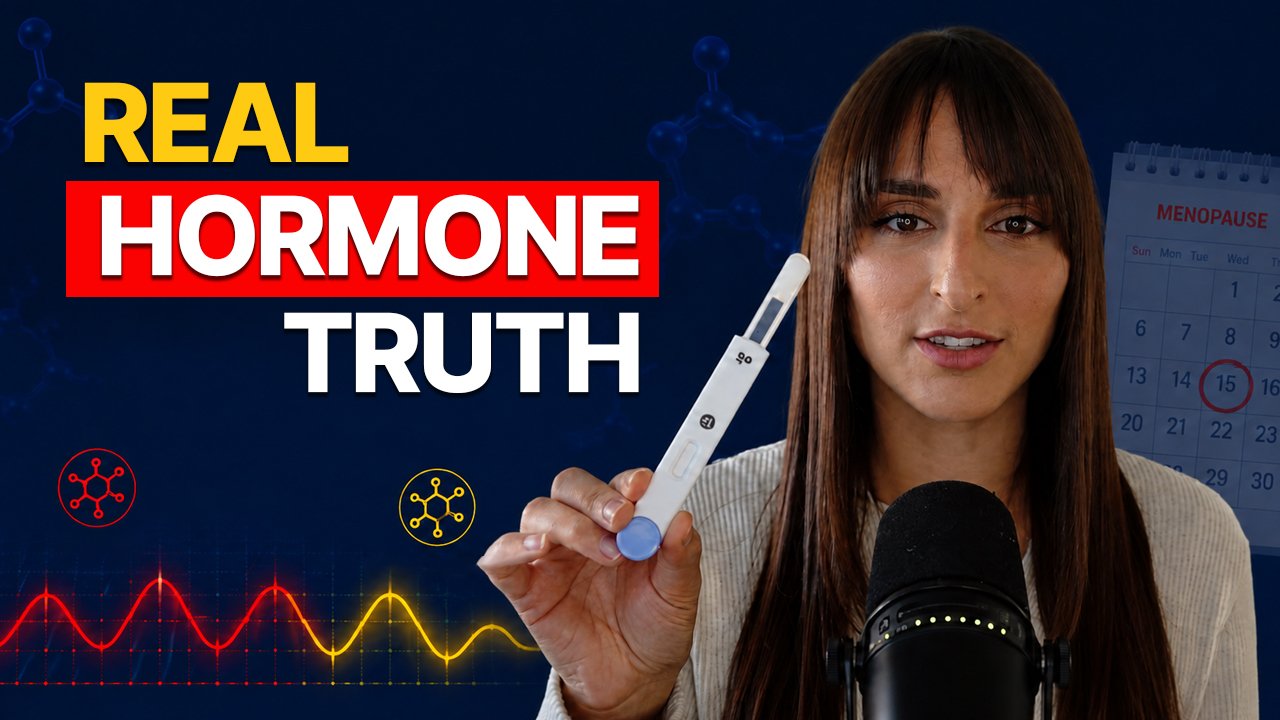
Rather than relying on a single blood test taken months or years apart, Eli Health has developed technology that enables women to measure hormones such as progesterone and cortisol at home using a simple saliva sample, with results available directly on their phone.
It’s an exciting step towards helping women understand what is happening inside their own bodies in real time.
Why Progesterone Matters During Perimenopause
Progesterone is often thought of simply as a fertility hormone, but it plays a much bigger role throughout a woman’s life. As progesterone begins to fluctuate and gradually decline during perimenopause, many women experience:
- Difficulty sleeping
- Increased anxiety
- Mood changes
- Irregular menstrual cycles
- Reduced resilience to stress
For me personally, insomnia was one of the earliest and most debilitating symptoms of perimenopause. Looking back, understanding what my hormones were doing would have helped me make sense of what I was experiencing.
Cortisol is Not Always the Bad Guy
Cortisol often gets a bad reputation as the “stress hormone,” but it’s actually essential for good health. Cortisol is your Body’s Internal Stress Barometer. Healthy cortisol follows a natural daily rhythm:
- High in the morning to help you wake feeling alert and energised.
- Gradually falling throughout the day.
- Low in the evening to prepare your body for restful sleep.
When this rhythm becomes disrupted, you may experience:
- Waking at 3 am
- Feeling exhausted despite sleeping
- Difficulty coping with stress
- Poor recovery from exercise
- Low energy
- Brain fog
One of the fascinating insights Marina shared is that approximately one in three people experience some form of cortisol dysregulation, and the pattern is different for everyone.
Some people have cortisol that remains too high all day; others never experience the healthy morning rise that helps them feel alert. Understanding your own pattern opens the door to more personalised lifestyle choices.
Why One Hormone Test Isn’t Enough
Traditionally, hormone testing has relied on occasional blood tests. The problem is that especially during perimenopause, hormones don’t stand still. As Marina explained during our conversation, making decisions based on a single hormone measurement is a little like checking your heart rate once a year and assuming it tells you everything about your cardiovascular health.
Hormones are dynamic.
They respond to stress, sleep, exercise, nutrition, illness and the natural rhythms of your menstrual cycle. Looking at patterns over time may provide far more meaningful information than a single snapshot.
Lifestyle Still Comes First
One thing I particularly appreciated about our discussion was Marina’s emphasis on lifestyle medicine. While hormone replacement therapy (HRT) can be life-changing and absolutely appropriate for many women, it isn’t a substitute for healthy habits.
Good hormone health is supported by:
- Regular movement
- Strength training
- Quality sleep
- Nutritious food
- Stress management
- Time outdoors
- Breathwork and mindfulness
- Allowing time for recovery
These are principles I teach every day in my physiotherapy practice. Hormone data doesn’t replace healthy living—it helps us to personalise it.
Perhaps the most powerful message from our conversation was:
- You’re Not Imagining It, and
- You’re not alone.
So many women feel dismissed or misunderstood during perimenopause. Many are told they’re “too young.” Others are prescribed antidepressants before anyone considers changing hormones. Many simply think they’re failing to cope. You’re not!
Your body is changing, and understanding those changes is the first step towards feeling empowered rather than overwhelmed.
Watch the Full Conversation on YouTube (above) or listen on your favourite podcast platform by searching for Moving Through Menopause.
Thanks to my Guest
Dr Marina Pavlovic Rivas is the Co-founder and CEO of Eli Health, a pioneering health technology company developing instant, non-invasive hormone monitoring. Eli Health is making it possible to measure hormones such as progesterone and cortisol from a simple saliva sample at home, giving people unprecedented insight into their hormonal health. Check out their website HERE
About the Author
I’m Phillipa Butler, Chartered Physiotherapist, Pilates Teacher and Yoga Teacher, and host of the Moving Through Menopause podcast. My mission is to help women understand their bodies, move with confidence, and thrive through midlife and beyond.
If you’d like more evidence-based information and practical guidance, download my FREE Moving Through Menopause Guide and subscribe to the podcast for weekly conversations with leading experts in women’s health.
Phillipa Butler, Chartered Physiotherapist